Source Flexible Fire Resistant Wall Tiles for Hotels, Offices, and Feature Walls
Compare 30 Flexible Fire Resistant Wall Tiles from verified Chinese manufacturers. Buyers can evaluate specifications like water absorption, acid resistance, and customization options for exterior and interior applications in hotels and commercial spaces.
Key considerations
Products List


Resistant to Stress Artificial Exterior Wall Decoration Flexible Stone Wall Tile
$23.00 - $28.00
MOQ: 200 Square Meters

Fireproof, Waterproof Artificial Exterior Wall Decoration Flexible Stone Wall Tile
$23.00 - $28.00
MOQ: 200 Square Meters

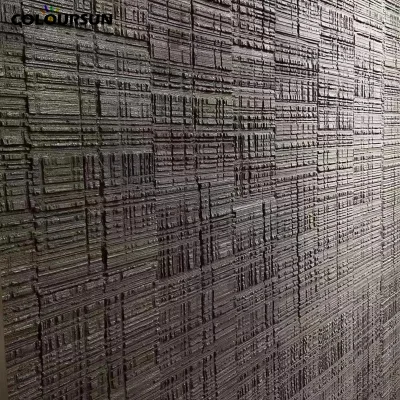
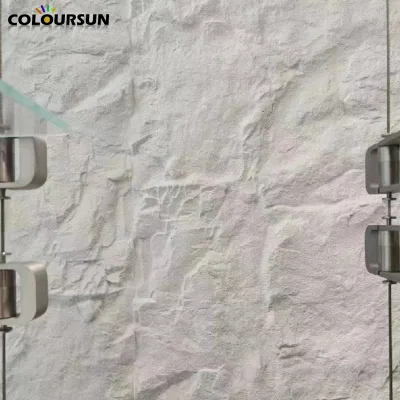


Flexible Soft Ceramic Tiles Interiors and Exteriors Flexible Stone Veneer Fireproof
$10.00 - $30.00
MOQ: 50 Square Meters

New Decorative Building Materials Wear-Resistant External Outdoor Waterproof Flexible Wall Tiles
$10.00 - $20.00
MOQ: 10 Square Meters


Flexible Soft Ceramic Tiles Interiors and Exteriors Flexible Stone Veneer Fireproof
$2.60 - $2.80
MOQ: 300 Square Meters


Comprehensive Sourcing Guide
Flexible Fire Resistant Wall Tiles Sourcing Guide
Sourcing flexible wall tiles requires a nuanced understanding of material science, as these products often blend ceramic flexibility with synthetic resilience. Buyers must distinguish between traditional rigid ceramic tiles and newer flexible composite materials that offer similar aesthetic finishes but with different installation and performance characteristics. The core keyword "Flexible Fire Resistant Wall Tiles" suggests a product category where the substrate allows for bending or conforming to curved surfaces while maintaining a high degree of thermal stability. This guide focuses on verifying these dual properties through rigorous specification checks and supplier validation, ensuring that the final procurement aligns with both design intent and safety compliance.
The procurement landscape for these tiles is characterized by a wide variance in material composition, ranging from thin ceramic veneers on flexible meshes to polymer-based composite panels. Buyers should approach this category with a clear definition of "flexible," whether it refers to the ability to bend around corners or the inherent pliability of the material itself. Similarly, "fire resistance" must be quantified through specific test standards rather than general marketing claims. This guide provides a framework for evaluating suppliers based on observable listing signals, technical data sheets, and commercial terms, helping buyers mitigate risk in a market where product definitions can be ambiguous.
Product Scope and Observed Listing Signals
Market listings for flexible wall tiles often present a mix of traditional ceramic attributes and modern composite features. Observed data indicates a price range of $2.6 to $30 USD, reflecting significant variation in material quality, thickness, and brand positioning. The minimum order quantity (MOQ) ranges from 2 to 2,000 units, suggesting that suppliers cater to both small-scale renovation projects and large commercial developments. Buyers should note that lower MOQs may correlate with higher per-unit costs, while bulk orders might offer better pricing but require greater storage and handling capacity. This variability necessitates a clear assessment of project scale before engaging with suppliers.
Product descriptions frequently highlight specific applications such as exterior walls, feature walls, and interior commercial spaces like hotels. Attributes such as "Acid-Resistant," "Heat Insulation," and "Non-Slip" are commonly listed, indicating a focus on durability and safety. However, buyers must verify if these attributes apply to the flexible variant specifically, as some listings may conflate rigid ceramic properties with flexible composite ones. The presence of "Graphic Design" and "3D Model Design" services suggests that suppliers offer customization, which is crucial for achieving specific aesthetic outcomes in flexible tile installations.
Technical Specifications to Verify
Technical verification begins with understanding the material composition and physical dimensions. Listings mention models such as "Rigel" and "Flexible Tile," with dimensions like 300x600mm and thicknesses ranging from 2.0mm to 15mm. Buyers must confirm whether the "flexible" attribute refers to the tile's ability to bend or its installation method. For instance, some flexible tiles are thin ceramic sheets mounted on a mesh backing, while others are entirely polymer-based. The water absorption rate of 0.5% observed in some listings is a critical metric for exterior applications, as lower absorption rates indicate better frost and weather resistance.
Fire resistance is a paramount concern for wall tiles, especially in commercial and high-traffic areas. Buyers should request specific test reports that detail the fire rating according to recognized standards. While some listings mention "Heat Resistance" and "Thermal Insulation," these terms do not equate to a certified fire rating. The presence of "Anti-Static" and "Antibacterial" functions in some product descriptions suggests additional performance benefits, but these should be verified through independent testing. Buyers must also check the "Artificial Aging Resistance" level, as this indicates the material's long-term durability under simulated environmental stress.
Compliance and Safety Documentation
Compliance with safety standards is non-negotiable for fire-resistant wall tiles. Buyers should insist on certifications such as CE and ISO, which indicate adherence to European and international quality and safety norms. The specific standard "EN 13501-1" is a critical benchmark for fire performance, classifying materials based on their reaction to fire. Buyers must verify if the supplier provides test reports aligned with this standard, as generic claims of "fire resistance" are insufficient for regulatory compliance. Additionally, "ISO 13006:2014" is relevant for ceramic tiles, but buyers must confirm if this standard applies to the flexible composite variant they are considering.
Documentation should also include detailed material safety data sheets (MSDS) and environmental compliance certificates. These documents provide insights into the chemical composition of the tiles, ensuring they do not emit harmful volatile organic compounds (VOCs). For interior applications, especially in hotels and residential spaces, low VOC emissions are essential for maintaining indoor air quality. Buyers should also verify the "After-Sale Service" offerings, such as online technical support, which can be invaluable for troubleshooting installation issues or addressing material defects post-purchase.
Cost Drivers and Commercial Terms
The cost of flexible fire-resistant wall tiles is influenced by several factors, including material composition, thickness, and customization requirements. Thinner tiles with high flexibility may command a premium due to the specialized manufacturing processes involved. Customization options, such as specific colors, sizes, or surface treatments like "Matt" finishes, can also impact pricing. Buyers should request detailed quotes that break down costs for materials, packaging, and shipping, as these can vary significantly between suppliers. The "Standard Export Packing" mentioned in listings is crucial for protecting fragile tiles during transit, but buyers should confirm if additional packaging is available for high-value or custom orders.
Commercial terms such as payment methods, lead times, and warranty policies are equally important. Buyers should negotiate clear terms regarding defects and returns, as flexible tiles may be more susceptible to damage during handling. The "Supply Ability" of 20,000 pieces per month observed in some listings indicates that larger suppliers can handle substantial orders, but buyers should verify if this capacity is consistent and reliable. It is also advisable to discuss the "Single Gross Weight" and "Single Package Size" to calculate shipping costs accurately, as these dimensions affect freight charges and storage requirements.
Supplier Qualification and Quality Control
Supplier qualification involves assessing their manufacturing capabilities, quality control processes, and track record. Buyers should request evidence of production facilities, such as factory audits or video tours, to verify the supplier's ability to produce consistent quality. The "Project Solution Capability" including graphic and 3D model design suggests that some suppliers offer comprehensive support, which can be beneficial for complex projects. Buyers should also inquire about the supplier's experience with flexible tiles specifically, as this niche requires specialized expertise in material handling and installation guidance.
Quality control measures should include in-process inspections and final product testing. Buyers should ask for samples to evaluate the tile's flexibility, fire resistance, and aesthetic quality before placing a bulk order. The "Collision Resistant" and "Wear-Resistant" attributes should be verified through practical testing, as these properties are critical for high-traffic areas. Additionally, buyers should confirm the supplier's ability to provide batch-to-batch consistency, as variations in color or texture can be problematic for large-scale installations. Establishing a clear communication channel for quality issues is essential for maintaining project timelines and standards.
Long-Term Procurement Checks
Long-term procurement success depends on establishing a reliable supply chain and maintaining ongoing quality assurance. Buyers should develop a supplier scorecard that tracks performance metrics such as delivery times, product quality, and responsiveness to issues. Regular audits and periodic re-testing of materials can help ensure that the supplier continues to meet specified standards over time. The "Online Technical Support" offered by suppliers can be leveraged for ongoing training and troubleshooting, ensuring that installation teams are equipped to handle the specific requirements of flexible tiles.
Sustainability and environmental impact are increasingly important considerations in long-term procurement. Buyers should evaluate the supplier's commitment to sustainable practices, such as the use of recycled materials or energy-efficient manufacturing processes. The "Water Vapor Transmission" rate of 5.3G(M.H) observed in some listings is a key metric for assessing the material's breathability and moisture management capabilities, which can impact the longevity of the installation. By focusing on these long-term factors, buyers can build a resilient supply chain that supports both current project needs and future sustainability goals.
FAQs
What certifications do these Flexible Fire Resistant Wall Tiles have?
The tiles hold CE and ISO certifications as documented in the product specifications. These standards ensure compliance with international safety and quality requirements for building materials used in commercial and residential projects.
Can I customize the size and design of these exterior tiles?
Yes, customization is available for these flexible tiles to meet specific project needs. The supplier offers graphic design and 3D model design services to tailor the product to your architectural requirements.
What is the minimum order quantity for purchasing these wall tiles?
The minimum order quantity ranges from 2 to 2000 pieces depending on the specific product model selected. Buyers should verify the exact MOQ for their chosen model number before placing an order.
How resistant are these tiles to water and acid exposure?
These tiles feature acid resistance and a water absorption rate of only 0.5 percent. This low absorption ensures durability in wet environments while maintaining structural integrity against chemical exposure.
Where are these Flexible Fire Resistant Wall Tiles manufactured?
The products originate from manufacturing facilities located in Hubei and Zhangjiagang, China. This regional sourcing supports the supply chain for international buyers requiring reliable delivery of building materials.
What is the monthly supply capacity for these ceramic tiles?
The supplier can provide up to 20,000 pieces per month to meet demand. This capacity supports large-scale projects requiring consistent delivery of exterior and interior tile solutions.